
Techgistics | Technology | eCommerce | Logistics
Techgistics provides analysis on emerging technologies and startups in logistics and supply chain, focusing specifically on Blockchain, eCommerce, and last mile delivery problems.
By John Mabe
Featured
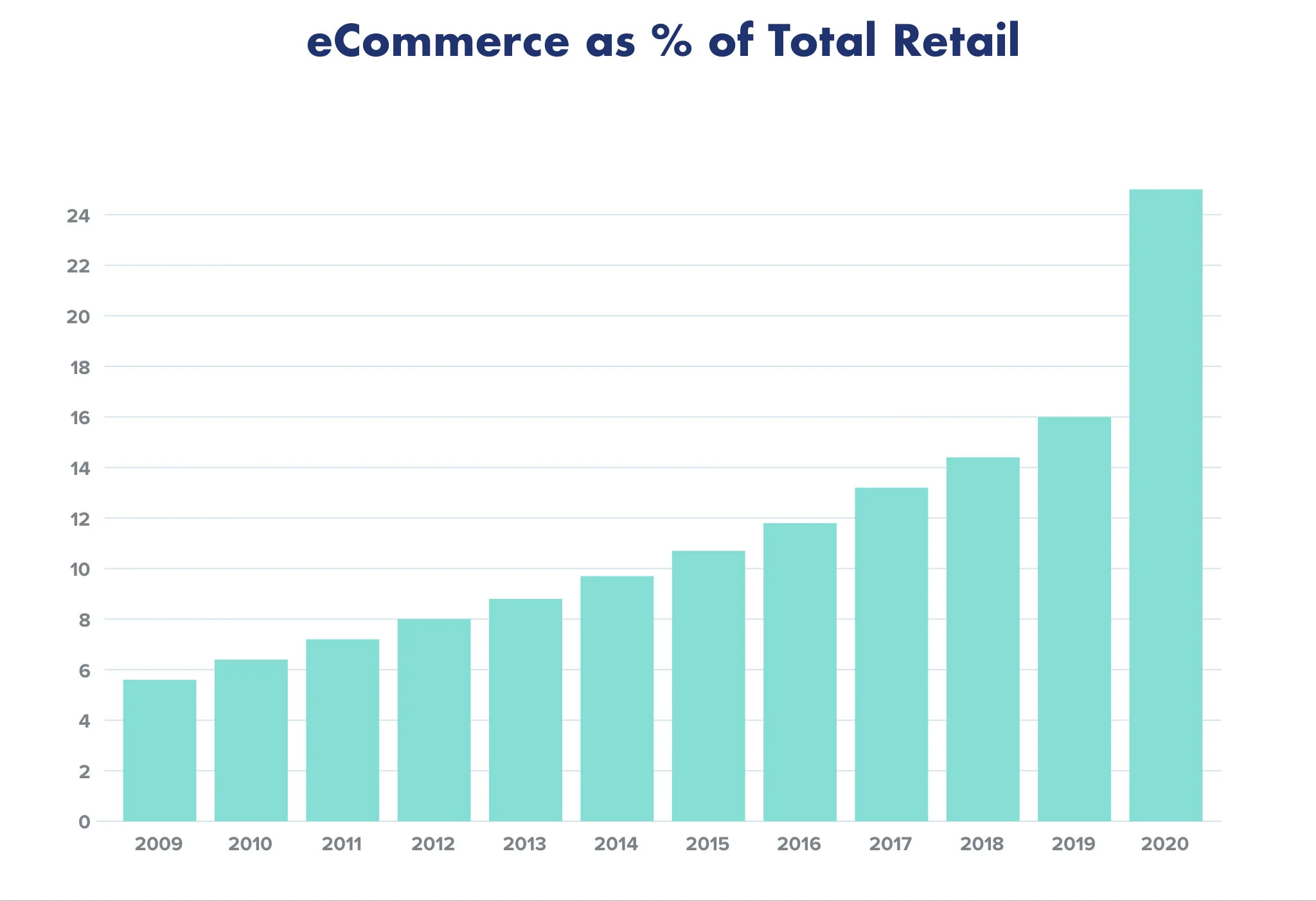
Over the last ten years, online shopping has experienced slow and steady growth from a relatively small group of consumers who frequently shopped online. As a percent of total retail sales, online shopping has increased about 1% per year to 16% of total retail sales in 2019. It’s been a clear trend that was widely expected to continue sustained, albeit somewhat slow growth.
Fast forward to 2020, and to see how Covid-19 is reshaping purchasing habits…

The fact that supply chains and logistics companies already have a vast amount of data and processes that could be turned into actionable insights rather quickly, just means that there is potential for AI to take supply chains on a journey from very good to perfect.
Artificial intelligence techniques allow for vast amounts of data to be analyzed, categorized, and then turned into actionable insights with reduced or no human input. As an example,
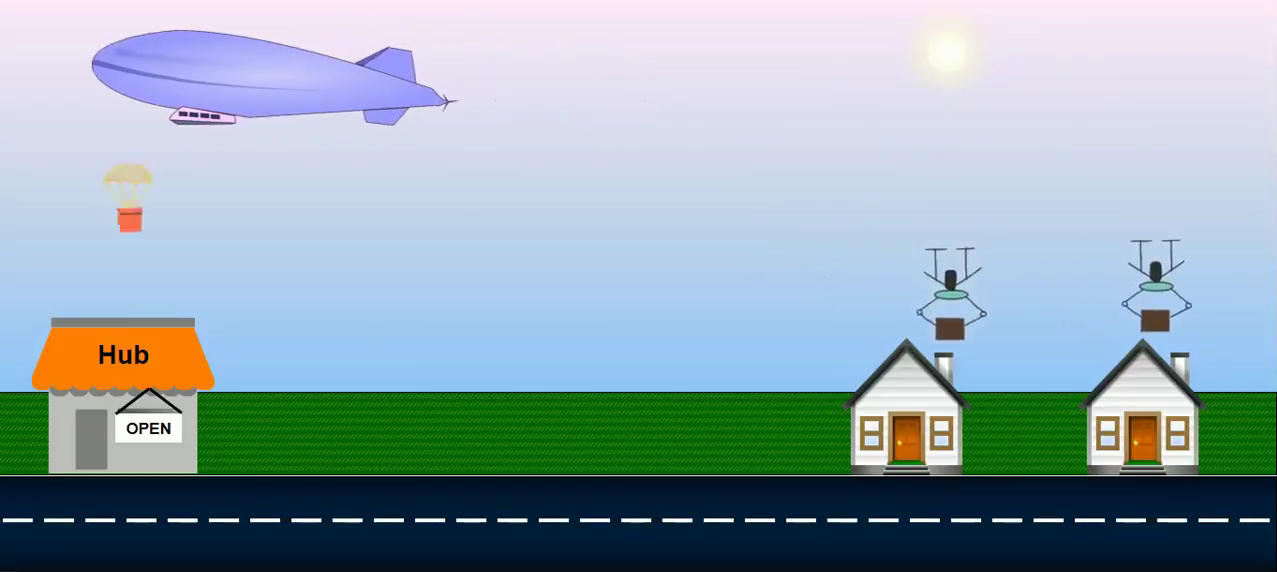
I entered the 2017 DHL innovation challenge which was a contest to apply the principles of the sharing economy to logistics. There were more than 60 entries and the winner of this year’s challenge was Parcelly, a UK startup that provides on-demand collection points to resolve the problems associated with failed deliveries.
Below is the full written proposal and the video I submitted for the challenge. My idea was called Flexi-Deliv, a crowdsourced final mile hub and delivery platform that aims to create a hassle-free delivery experience for online shoppers through a sharing community of local businesses, neighbors, and couriers.
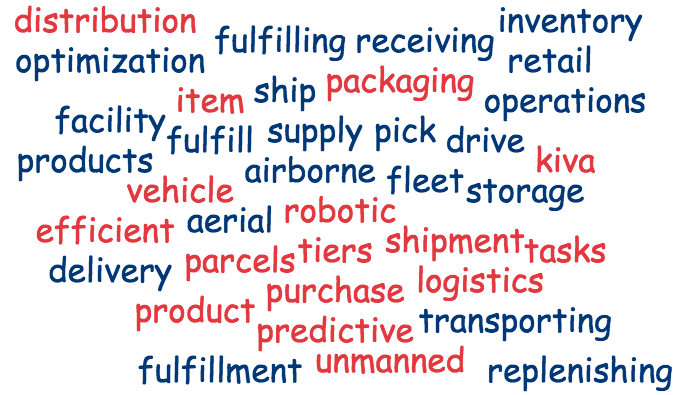
I've dug into Amazon's patent filings over the last five years and mined the patent titles for keywords related to inventory and logistics. Patents range from the mundane like optimization of packaging sizes or allocating regional inventory to reduce out-of-stock costs to the more technologically advanced like autonomous vehicles, mobile ground-based fulfillment centers, and drones. At the far end of the spectrum are topics that appear to be more the realm of sci-fi fantasy like underwater warehouses, airborne warehouses, and beehive-like warehouses, but hey, who knows.
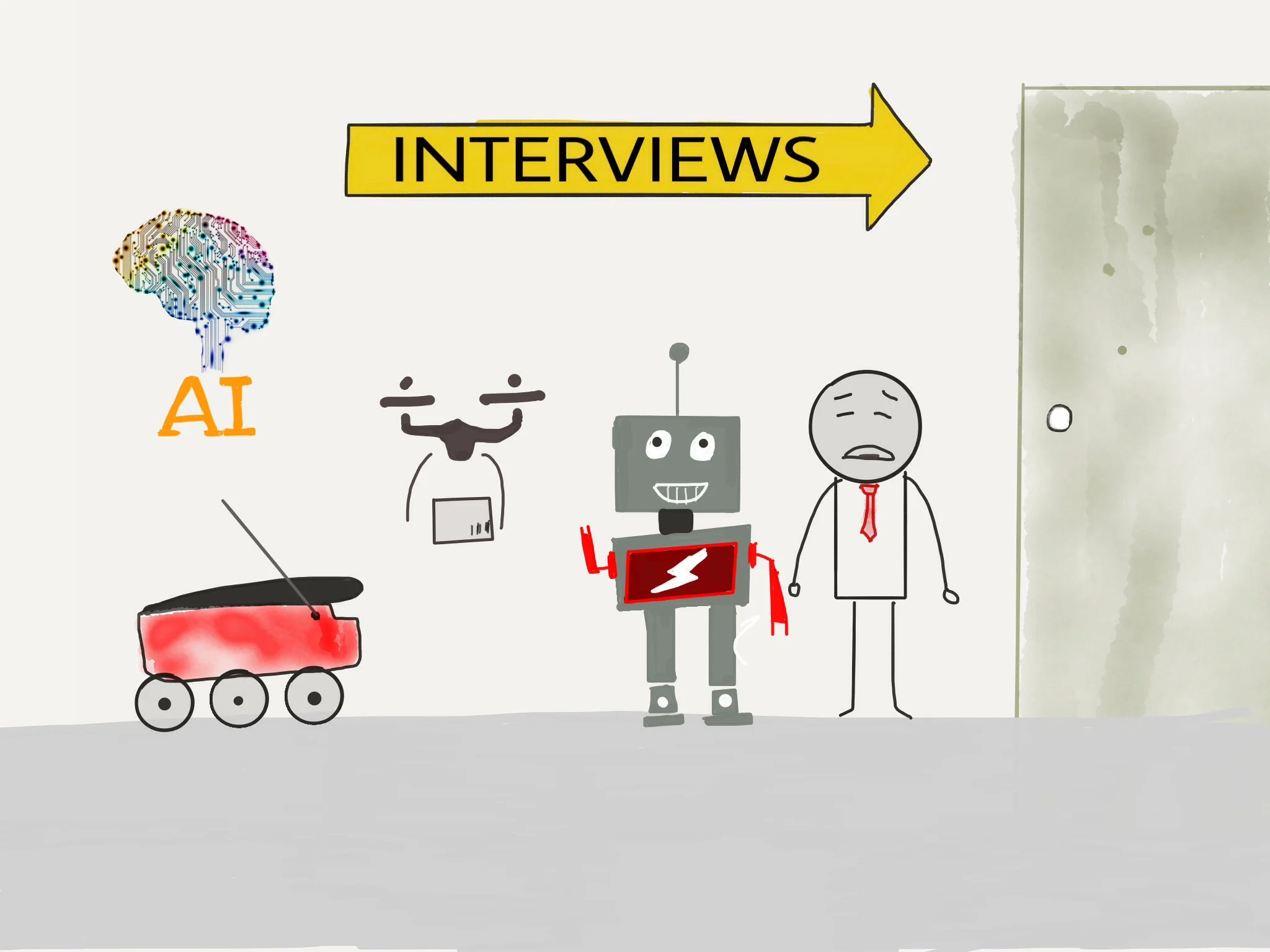
Several recent studies have suggested that nearly half of all jobs are susceptible to automation in the next 20 years. Robots and artificial intelligence are poised to displace jobs in various industries, and the logistics industry is highly vulnerable to job loss. Recently notable tech leaders have made statements in regards to how to deal with automation displacing jobs. Bill Gates has argued for a robot tax to recapture money that displaced workers would have paid as income tax. Elon Musk advocates for a universal basic income...

Everyone knows that Amazon dominates the U.S. eCommerce retail market, but exactly how well are they doing? According to data from Slice Intelligence, which scanned more than 1 million digital shopping receipts, Amazon accounted for 46 percent of all online spending in the U.S. in the final weeks leading up to Christmas. Overall, Amazon took 39% of all online spending from Thanksgiving to Christmas.

Making predictions in technology, even just one year out, are generally an exercise in futility, so this really isn't a forecast for 2017, but more a list of trends that I am interested in and keeping my eye on. Technology is rarely released according to plan and surprises can come from many directions. However, it makes sense to keep tabs on what’s coming and it's also great fun to think about what’s coming next. Here's what I will be looking out for in 2017:
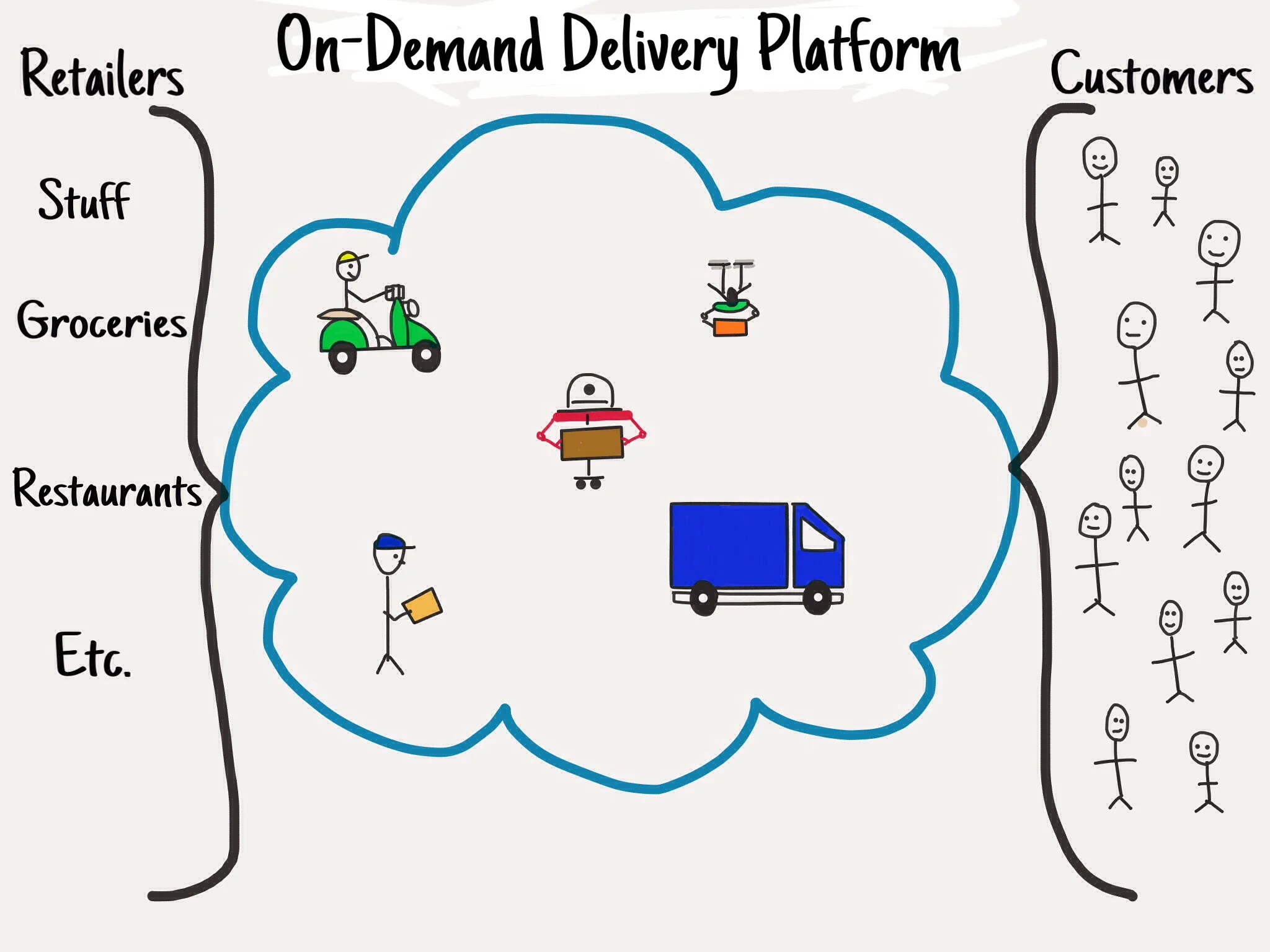
Uber’s success in disrupting transportation has led to enormous VC funding of “Uber-for-X” businesses where smartphones are used to connect customers with nearby workers on demand. A number of startups have entered the same-day / same-hour delivery market with the intent of fundamentally transforming how we shop and eat.
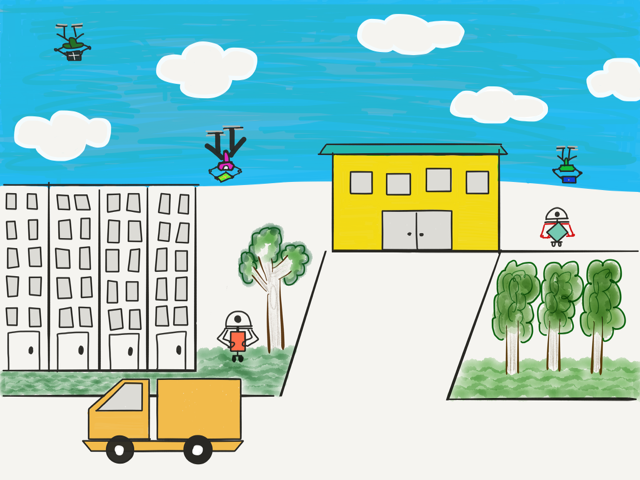
Last mile delivery is going to change significantly over the next few decades. A sea-change is upon the Logistics industry and as is often the case when an industry is about to be turned upside-down, there are a number of converging factors, both societal and technological, that are accelerating the pace of change.
Newsletter Block
This newsletter signup form needs a storage option. Edit the block and enter a storage location via the Storage tab.

Powered by Squarespace.
Future-proofing your warehouse operation is essential in a world where e-commerce is booming and customer expectations are sky-high. A multi-agent orchestration platform can be a powerful tool in this regard, enabling you to connect and coordinate different agents and systems in real-time to optimize workflow and maximize efficiency. But what are the key features you should be looking for in such a platform? In this post, we'll explore the critical capabilities that can help you unlock the full potential of a multi-agent orchestration platform and stay ahead of the curve in the competitive world of warehouse operations