
Amazon’s push into Private-Label Foods as a China Play
/Greg Bensinger, writing for the Wall Street Journal:
Amazon.com Inc. has quietly begun its first broad push into perishable private-label foods, enabling the online retailer to test new products with generally higher profit margins. Amazon this week began offering for sale on its website whole-bean and ground coffee under its new Happy Belly label, pitting itself against crosstown rival Starbucks Corp. Amazon also has rolled out bottled Mama Bear baby food in two flavors.
So, why would Amazon do this:
It’s primarily about China: “Happy Belly” coffee does not make an American consumer think, “Try Me!, I’m better than Starbucks!” But, to a Chinese consumer, the name may have more cachet. There have been many high profile controversies involving contaminated foods that have plagued Chinese food products and has led to the perception that foreign food products are produced in a more clean and healthy environment with strict supervision and regulation. Shoppers in Australia and New Zealand have witnessed firsthand the impact of Chinese demand for milk products, and vitamins. In addition, Amazon is already a well-recognized brand in China and they would have accumulated loads of data on what Chinese consumers are looking for in foreign brands.
Now there are other benefits both domestically and internationally which include gaining leverage over manufacturer’s, increasing margins, further scaling Amazon Fresh, and assuming more control over the distribution and last mile delivery process.
While Amazon is certainly looking to build their own private label brands for U.S. consumption, based on China’s huge unsatisfied demand for foreign goods, Amazon’s latest private label offerings feels more like a broader strategy to further establish Amazon as a brand in the Chinese market.
I cover forward-looking topics that are relevant for everyone interested in the future of logistics. You can read more articles here or sign-up for a free monthly newsletter here.
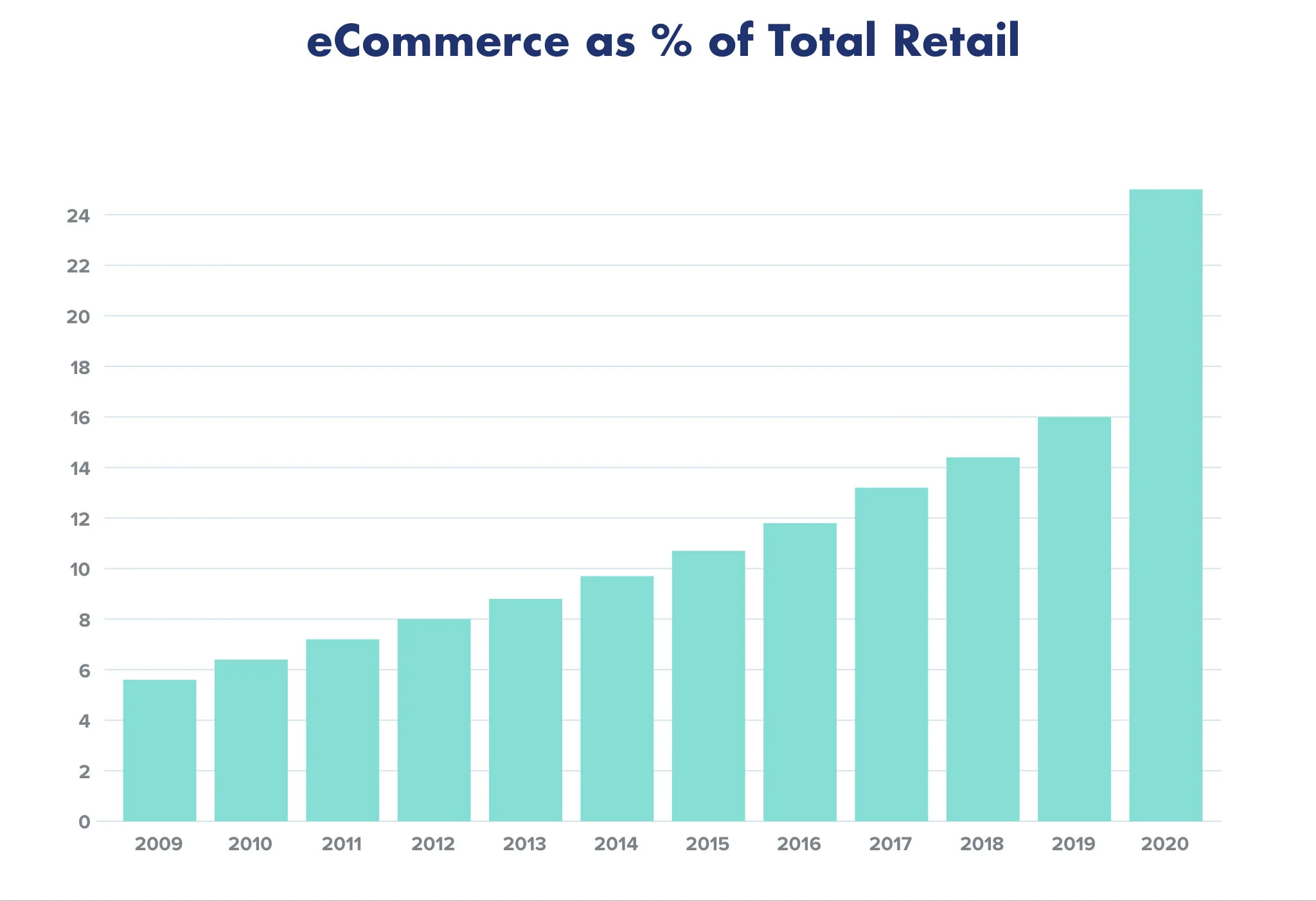







Future-proofing your warehouse operation is essential in a world where e-commerce is booming and customer expectations are sky-high. A multi-agent orchestration platform can be a powerful tool in this regard, enabling you to connect and coordinate different agents and systems in real-time to optimize workflow and maximize efficiency. But what are the key features you should be looking for in such a platform? In this post, we'll explore the critical capabilities that can help you unlock the full potential of a multi-agent orchestration platform and stay ahead of the curve in the competitive world of warehouse operations