
Robots as a service and Goods to box Picking
/InVia Robotics CEO, Lior Elazary, as quoted in zdnet.com:
What we've introduced, and we're the first with that, is goods-to-box," says Lior Elazary, inVia's CEO and founder. "And that means we're picking the items from the shelf and putting it right into a tote or the box that is going out for packing."
The goods to box model is interesting and improves upon Kiva and others Robotic companies where the goods are brought to human workers for packing. More compelling, however, is their robot-as-a-service model where instead of making a large capital investment in automation, customers pay a monthly service fee akin to a mobile phone plan. Assuming the technology is solid, this provides a huge opportunity for small and medium-sized eCommerce companies to take advantage of automation without having to make massive capital investments. It also allows them to increase output during the high-demand holiday season and keep up with consumer expectations.
Certainly there is the potential for the robot-as-a-service model to level the playing field with the large scale retailers in terms of order fulfillment costs and productivity.
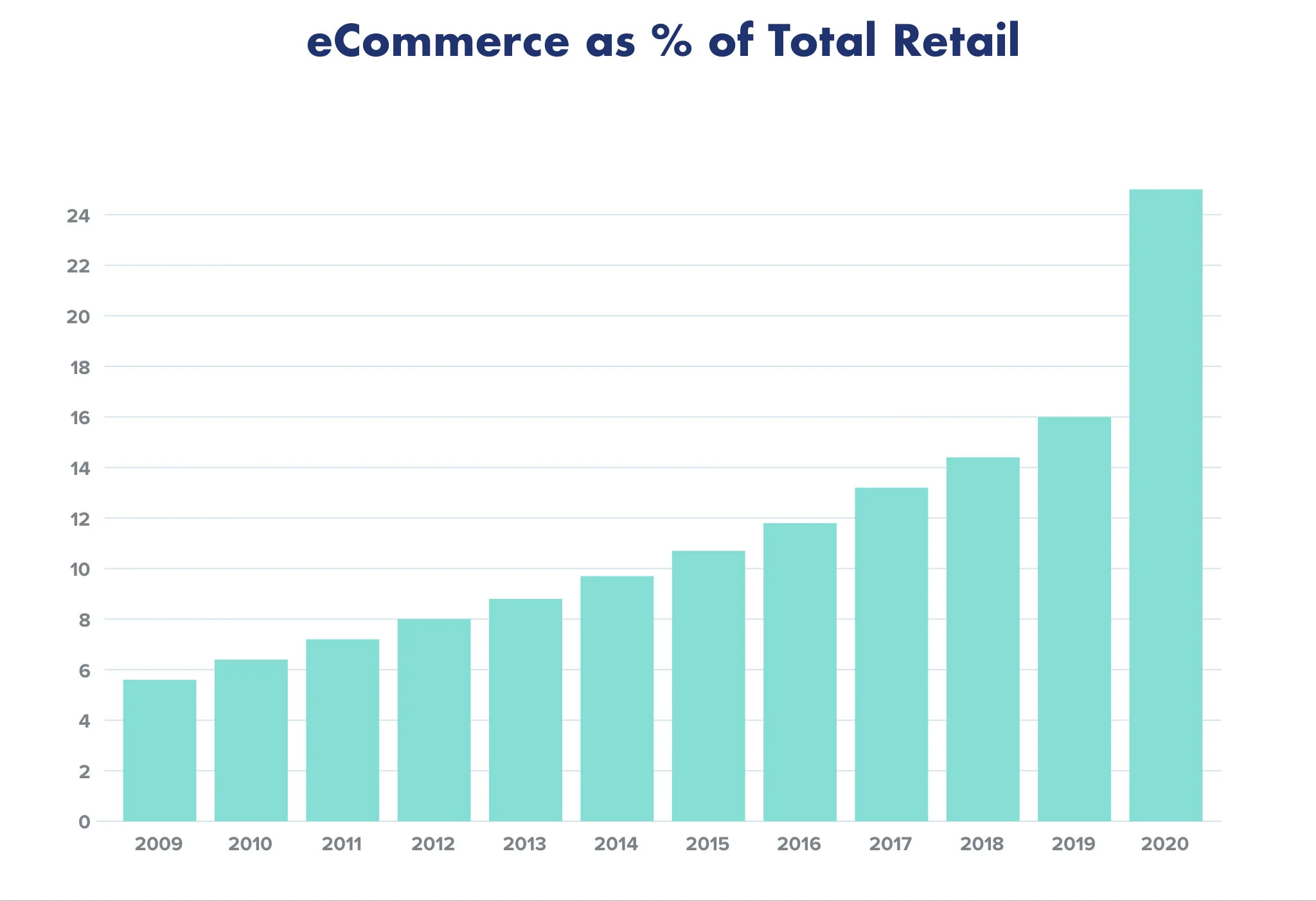



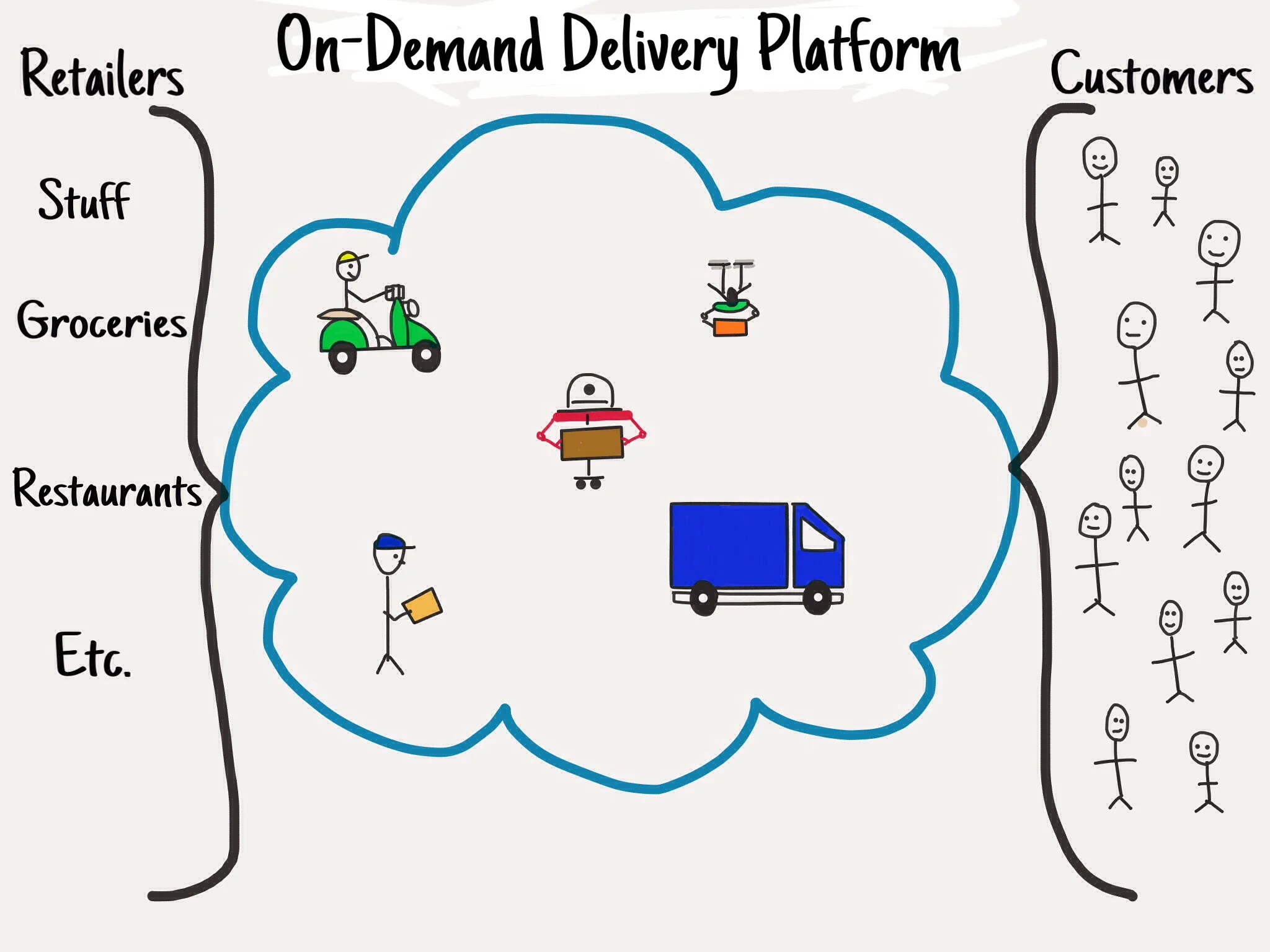
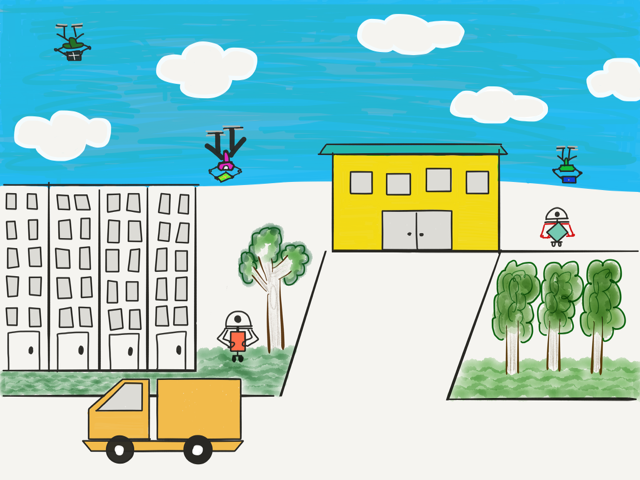

Future-proofing your warehouse operation is essential in a world where e-commerce is booming and customer expectations are sky-high. A multi-agent orchestration platform can be a powerful tool in this regard, enabling you to connect and coordinate different agents and systems in real-time to optimize workflow and maximize efficiency. But what are the key features you should be looking for in such a platform? In this post, we'll explore the critical capabilities that can help you unlock the full potential of a multi-agent orchestration platform and stay ahead of the curve in the competitive world of warehouse operations